How to Dress Petite Body Type Step by Step
Standing at 5’3″ or under changes everything about how clothes fall on your body — and most style advice out there is written for someone six inches taller than you. You buy the trendy wide-leg pants everyone raves about, and suddenly you look like you’re wearing your sister’s hand-me-downs. That’s not your body’s fault. It’s a proportion problem, and proportion problems have specific fixes.
This guide will show you exactly how to dress your petite body type so every outfit looks tailored, not borrowed. You’ll learn where hems should actually hit, which necklines stretch your frame, and why one small styling trick — like matching your shoes to your pants — can add visual inches without a single tailor visit. None of this requires buying a new wardrobe. Most of it takes less than 20 minutes to apply to clothes you already own.
Grab a favorite pair of pants and a full-length mirror, and let’s get your proportions working for you instead of against you.
TOTAL TIME
20 Minutes
ACTIVE TIME
20 Minutes
DIFFICULTY
Beginner
What You Need
- A soft measuring tape
- A full-length mirror
- A pair of pants you already own
- A basic top and a cropped jacket
- Two pairs of shoes in different colors
At a Glance
- Find Your Exact Inseam and Torso Measurements
- Choose High-Rise Bottoms That Sit at Your Natural Waist
- Hem Every Pair of Pants to Break at the Right Point
- Pick Vertical Lines Over Horizontal Patterns
- Match Your Shoe Color to Your Hemline
- Tuck Your Tops to Reveal Your Natural Waistline
- Choose Cropped Jackets That End at the Hip
- Scale Down Accessories to Fit Your Frame
- Add Nude or Skin-Tone Heels to Elongate Your Legs
- Avoid Oversized Layers That Swallow Your Frame
Find Your Exact Inseam and Torso Measurements
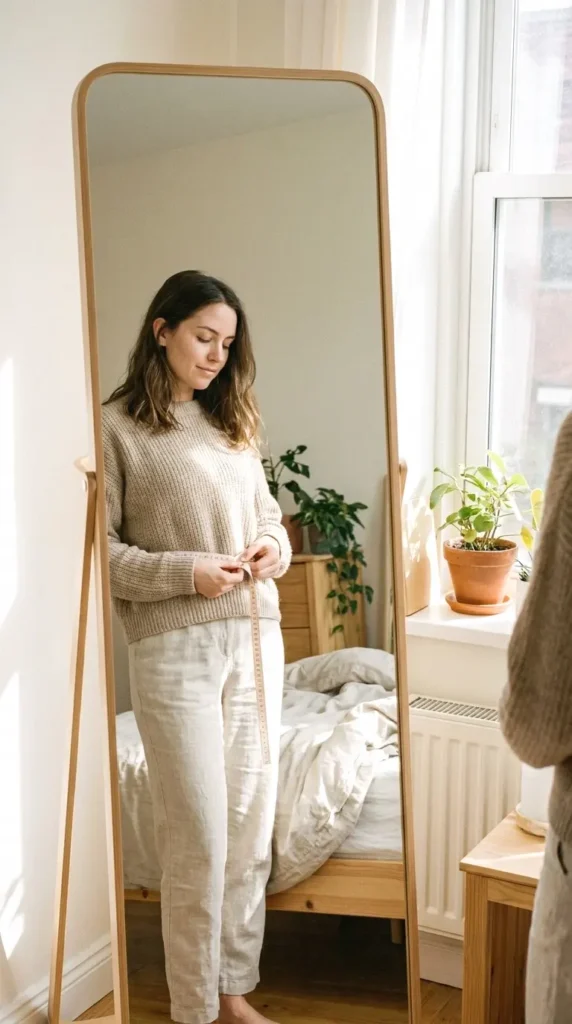
Skip this step and every fix after it becomes a guess. Stand straight against a wall, and have someone measure from your natural waist down to your ankle bone — this is your inseam. Then measure from the base of your neck to your natural waist for your torso length. Write both numbers down. Most petite guides assume a 28-inch inseam, but yours might be 26 or 30, and that difference changes where every hemline should land.
Choose High-Rise Bottoms That Sit at Your Natural Waist
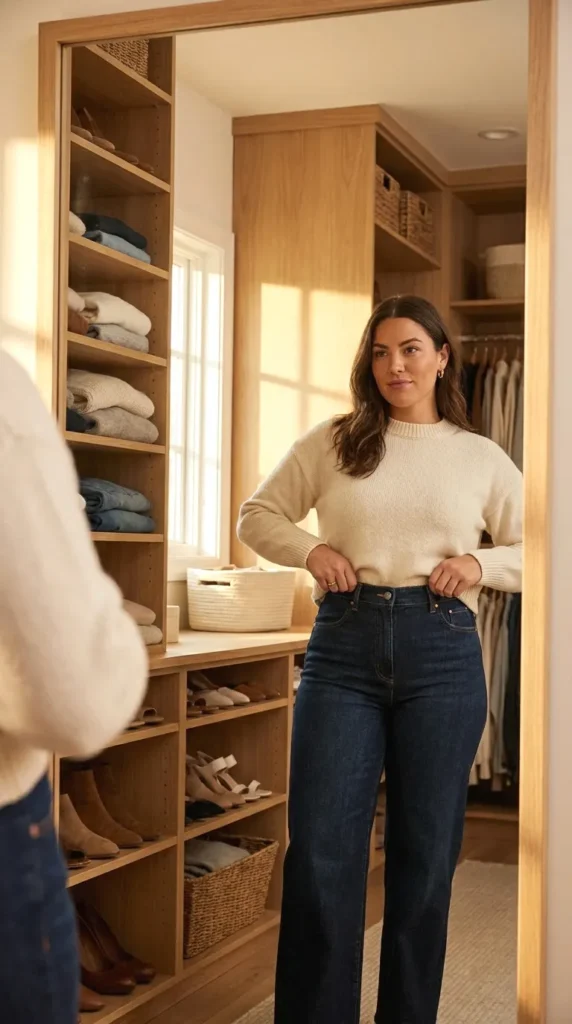
Low-rise pants cut your leg line visually in half, which is exactly what makes a petite frame look shorter. A high-rise waistband sits at or just above your belly button, giving your legs one long uninterrupted line from waist to ankle. When trying pants on, check the waistband hits 1 to 2 inches above your belly button. If it sits at your hip bone, it’s not high-rise — no matter what the tag says.
Hem Every Pair of Pants to Break at the Right Point
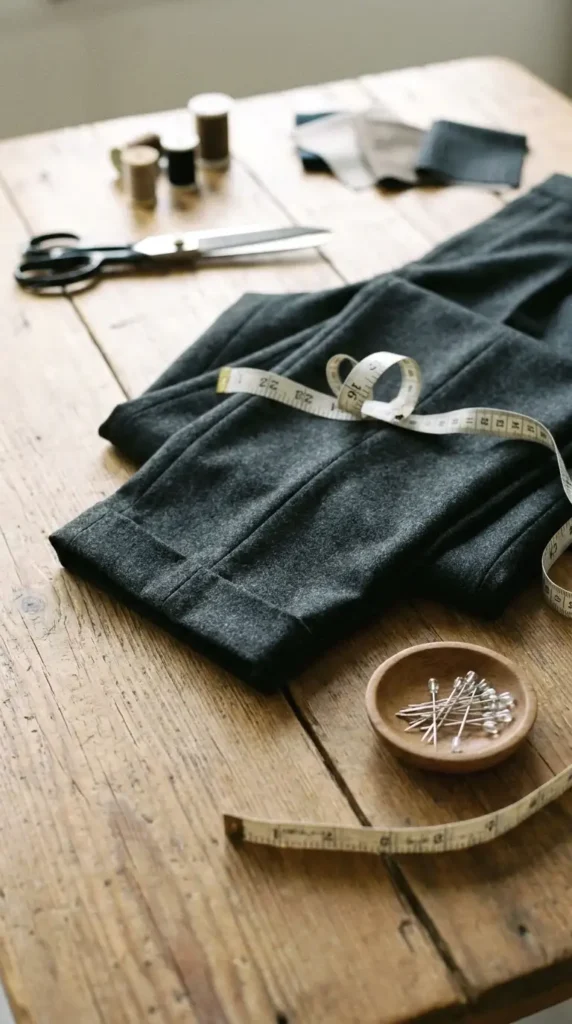
Heads Up: A hem that’s even half an inch too long will pool at your shoe and cut your leg line — take pants to a tailor rather than trusting the store’s standard length.
Store-bought “petite” sizing is not the same as your actual inseam. Try the pants on with the shoes you’ll wear, then have a tailor pin the hem so it just skims the top of your shoe, or hits right at the ankle bone for a cropped look. This single fix does more for your silhouette than almost anything else on this list, and it usually costs under $15.
Pick Vertical Lines Over Horizontal Patterns
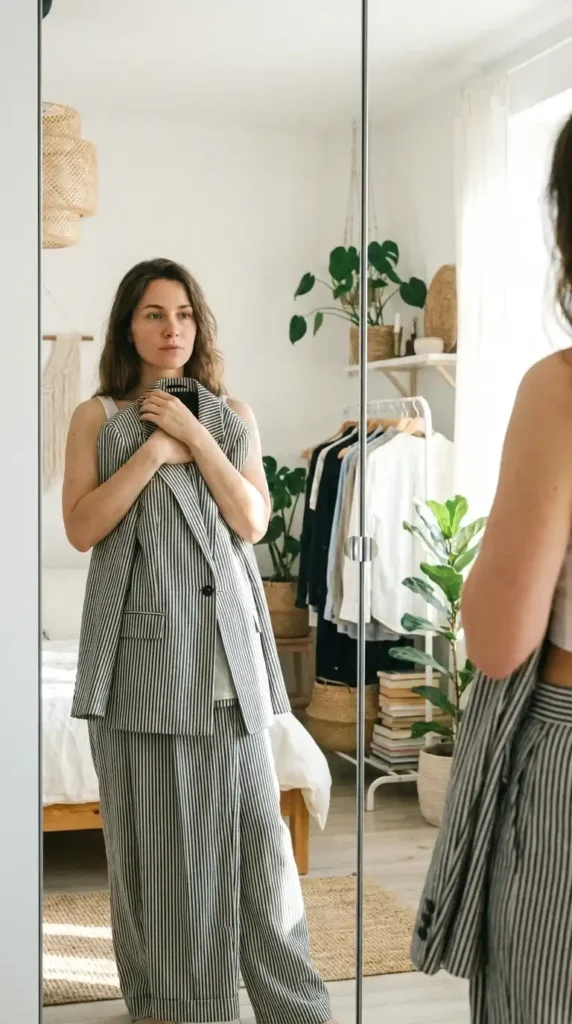
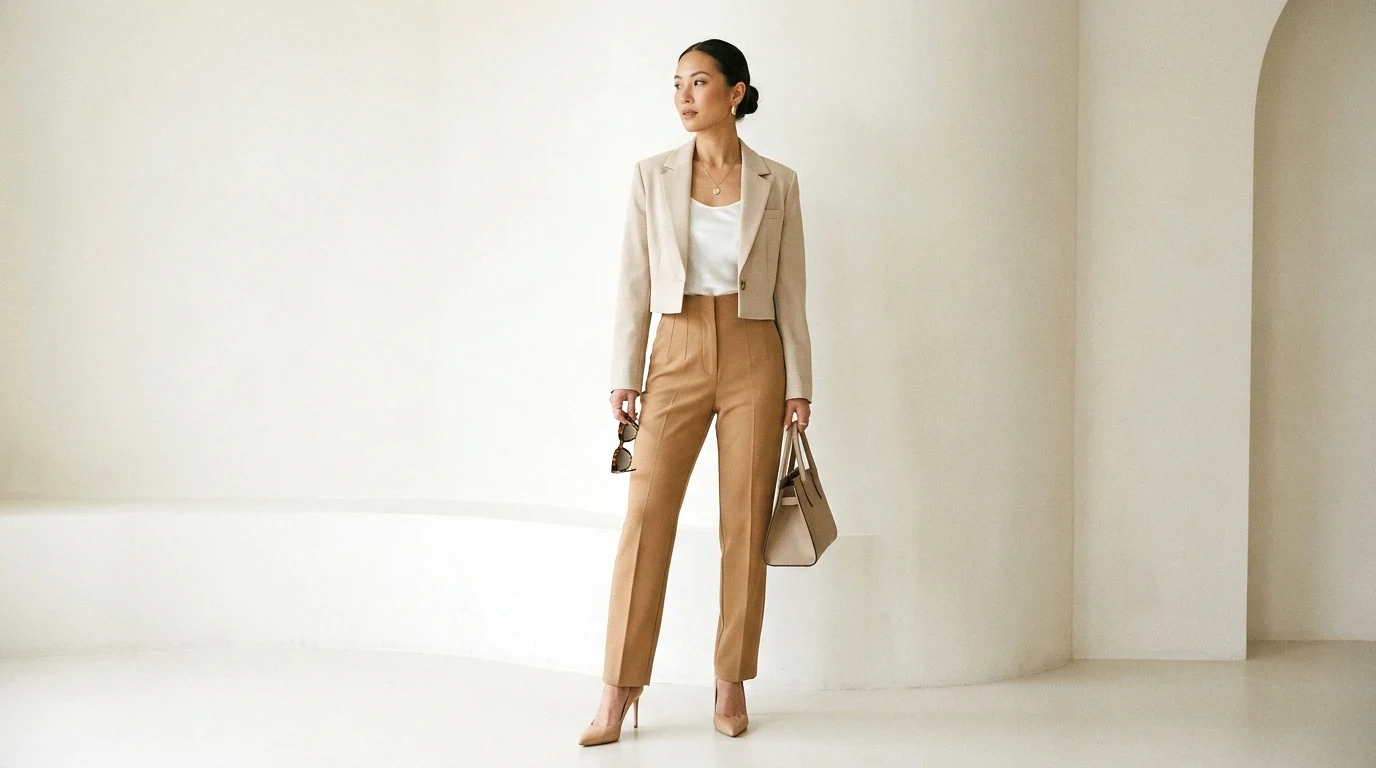
Horizontal stripes and wide color-blocked panels stop the eye and make your frame read shorter and wider. Vertical seams, pinstripes, and monochrome outfits do the opposite — they pull the eye up and down instead of side to side. A single-color outfit from shoulder to shoe is one of the fastest tricks for adding visual height, even in five minutes of getting dressed.
Match Your Shoe Color to Your Hemline
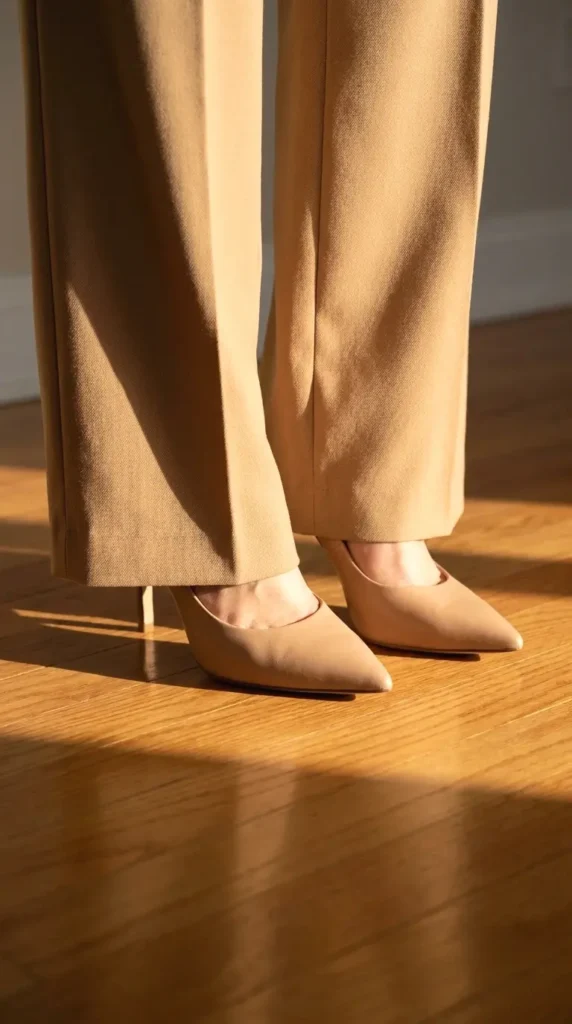
The bigger the color contrast between your pants and your shoes, the more your leg line gets chopped into visible sections. Nude, tan, or a shade close to your pant color keeps that line continuous. If you’re wearing black trousers, reach for black shoes before anything else. This works with sneakers, flats, and heels equally well.
Pro Tip: Don’t have matching shoes? A shoe within one shade of your hem — like camel with light brown pants — still reads as one continuous line from across the room.
Tuck Your Tops to Reveal Your Natural Waistline
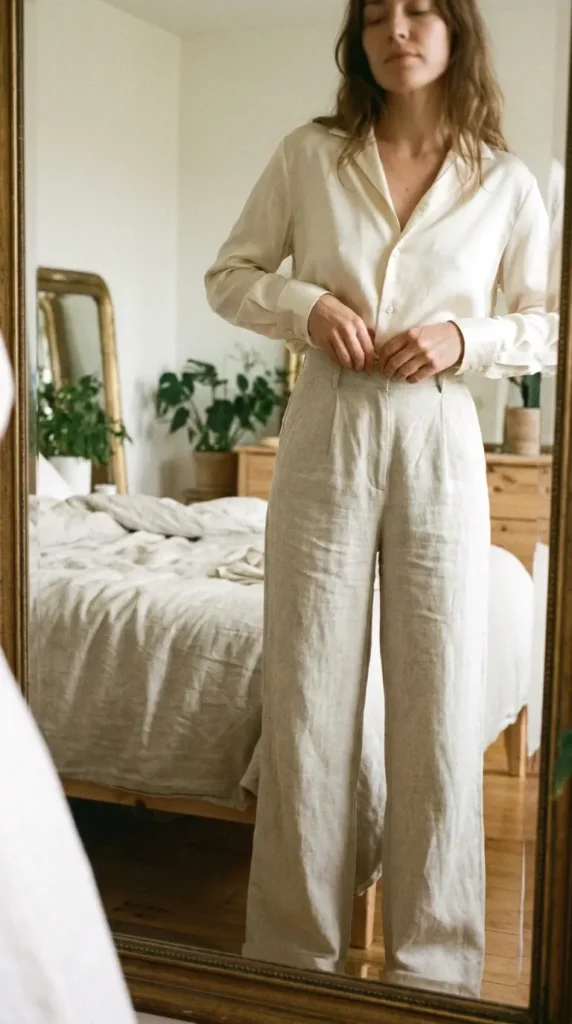
A loose top left untucked hides where your waist actually is, and an unmarked waist reads as no waist at all on a shorter frame. Try three tuck styles and pick what feels natural:
- Full tuck for a clean, structured look
- French tuck (front only) for a casual outfit
- Half tuck on one side for asymmetry
Whichever you choose, the goal is the same — show your body where your torso ends and your legs begin.
Choose Cropped Jackets That End at the Hip
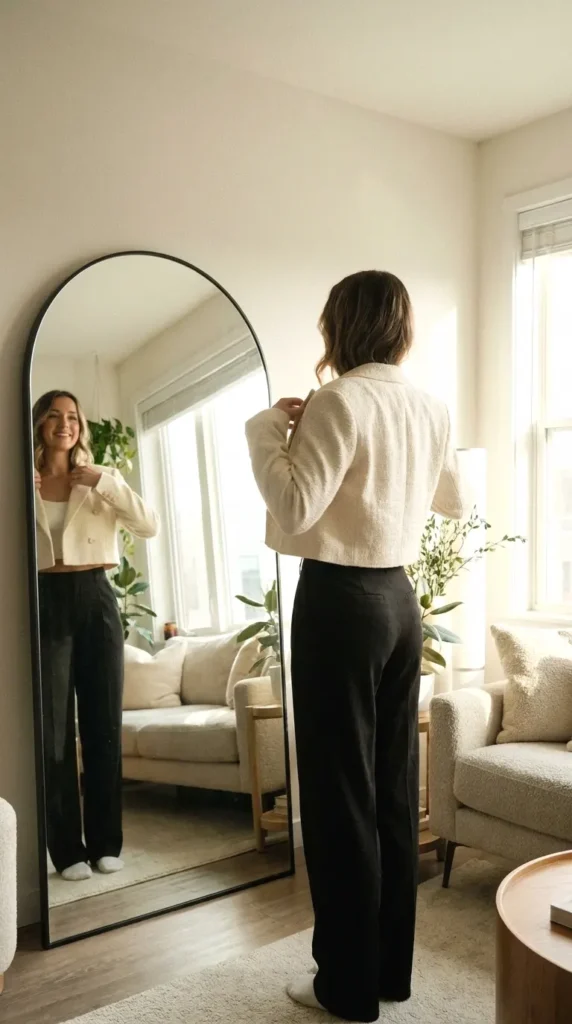
A blazer or coat that hits mid-thigh visually shortens your legs by covering the exact spot that separates torso from leg. Look for outerwear that ends right at your hip bone, no lower. If you love a longer coat style, wear it open with a fitted layer underneath instead of buttoned closed — this keeps a vertical line running down the front of your body.
Scale Down Accessories to Fit Your Frame
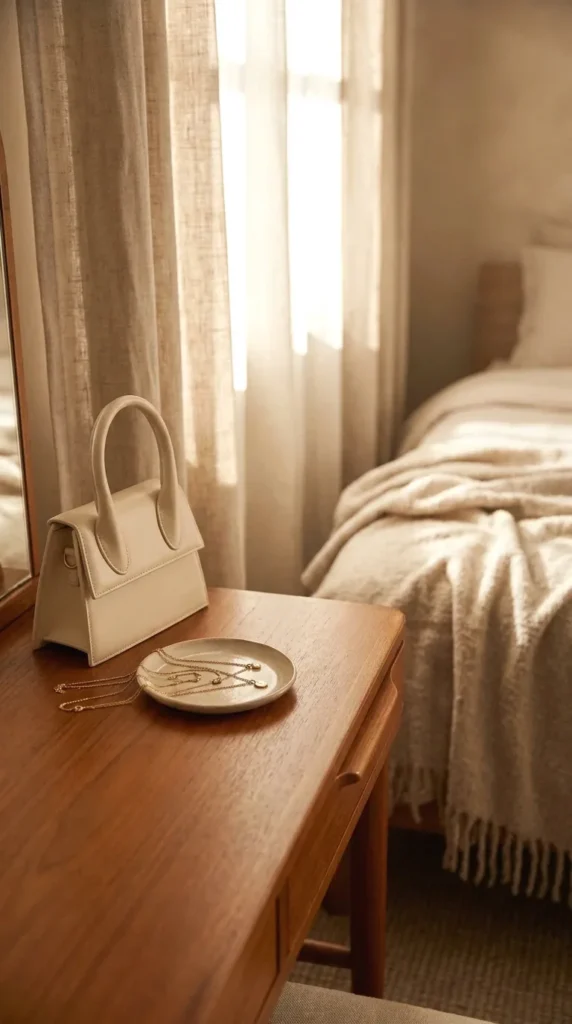
Oversized bags, chunky statement necklaces, and wide-brim hats are all sized for taller frames and end up wearing you instead of the other way around. Choose a bag that sits at hip height, not one that hangs past it. Delicate jewelry and mid-size totes keep the proportions of your whole outfit balanced rather than competing with your frame for attention.
Add Nude or Skin-Tone Heels to Elongate Your Legs
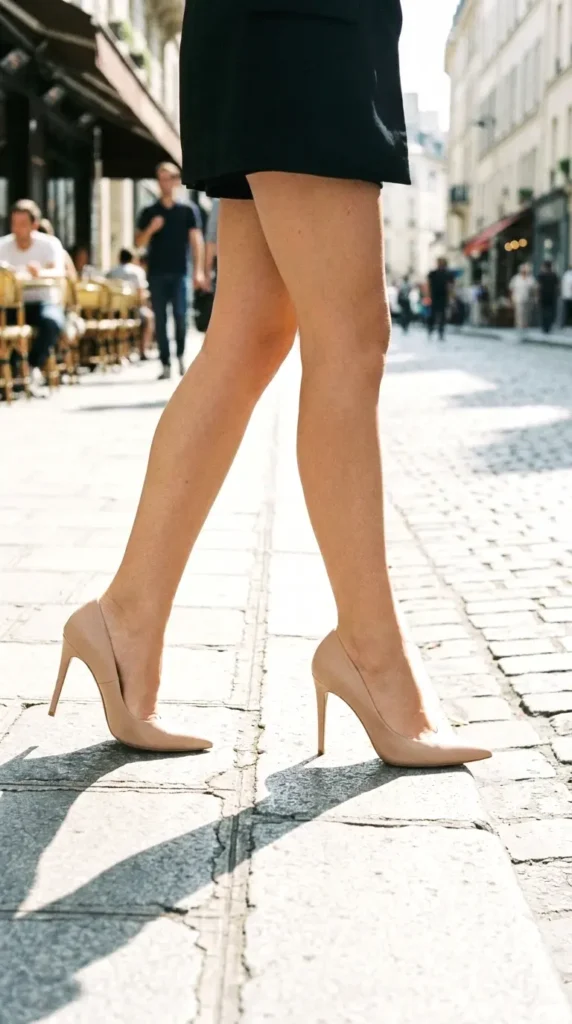
A heel between 2 and 3 inches does more than add height — it tilts your foot into an angle that visually extends your calf muscle, making your whole leg look longer. Nude or skin-tone shoes push this effect even further because they blend with your leg instead of interrupting it. Flats work fine for casual days, but keep at least one nude heel pair on hand for outfits that need the extra polish.
Avoid Oversized Layers That Swallow Your Frame
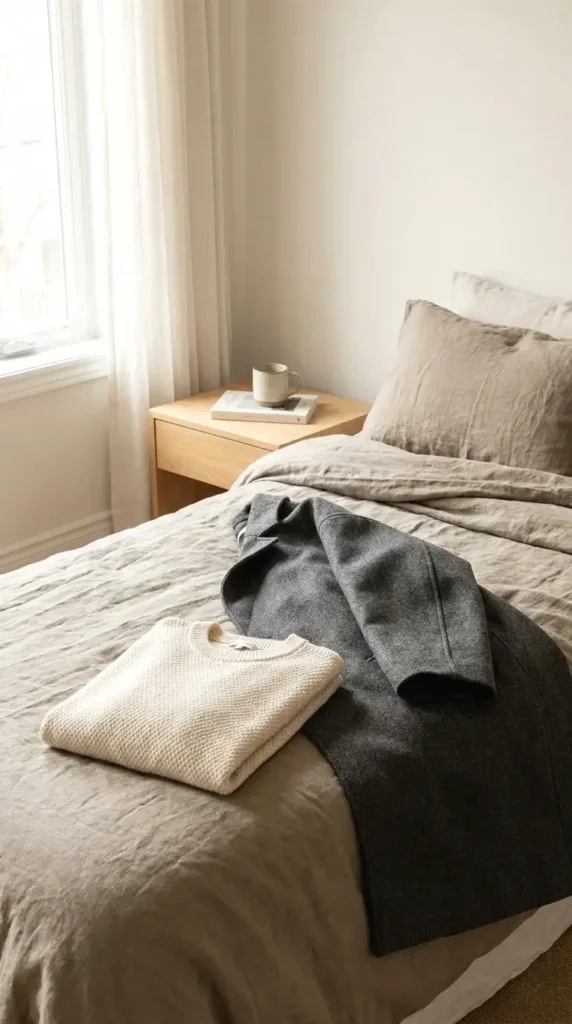
An oversized sweater or boxy denim jacket might feel cozy, but extra fabric adds bulk your frame doesn’t have room for, and it hides the waistline you worked to define in earlier steps. Choose layers that are oversized in only one place — a roomy sleeve with a fitted body, for example — rather than loose everywhere at once. If a piece feels like it’s wearing you, it probably is.
Common Mistakes to Avoid
1. Buying pants without trying them on with the right shoes
Hem length only makes sense next to the shoes you’ll actually wear — checking fit barefoot gives you the wrong picture entirely.
2. Assuming “petite” sizing fits automatically
Petite-labeled clothes are shorter overall, but they’re not customized to your specific inseam — always double check against your own measurements.
3. Layering multiple loose pieces at once
One oversized item can look intentional. Two or three stacked together usually just looks bulky on a smaller frame.
4. Choosing accessories sized for taller frames
A bag or hat that looks great on a tall friend can overwhelm a petite frame — always check proportion, not just style.
FAQ
Do I need to hem every single pair of pants I own?
Start with the pants you wear most often. Hemming the rest can happen gradually as your budget allows.
What counts as petite height?
Most brands define petite as **5’4″ and under**, but these proportion tricks work for anyone with a shorter torso or leg length regardless of their exact height.
Can I still wear oversized trends if I’m petite?
Yes, in small doses. Pair one oversized piece with fitted pieces everywhere else so your proportions stay balanced.
Do heels always look better than flats on a petite frame?
No. Flats in a shade close to your skin tone or pant color create the same elongating effect without the height.
Quick Reference Card
What You Need:
Measuring tape · Mirror · Pants · Basic top · Cropped jacket · Two shoe colors
Steps:
- Measure inseam and torso length
- Choose high-rise bottoms
- Hem pants to break at the right point
- Pick vertical lines over horizontal patterns
- Match shoe color to hemline
- Tuck tops to show your waistline
- Choose cropped jackets ending at the hip
- Scale down accessories
- Add nude or skin-tone heels
- Avoid oversized layers
Wrapping Up
You now know exactly how to dress your petite body type — from the measurements that guide every fit decision to the small styling tricks like shoe-matching and tucking that most people never learn. None of this required a new wardrobe, just a shift in how you use what’s already in your closet.
Next time you get dressed, try just one change — a proper hem or a tucked top — and notice the difference in the mirror.
Pin this guide now so you have it ready the next time you’re getting dressed or shopping for something new. 🩷