
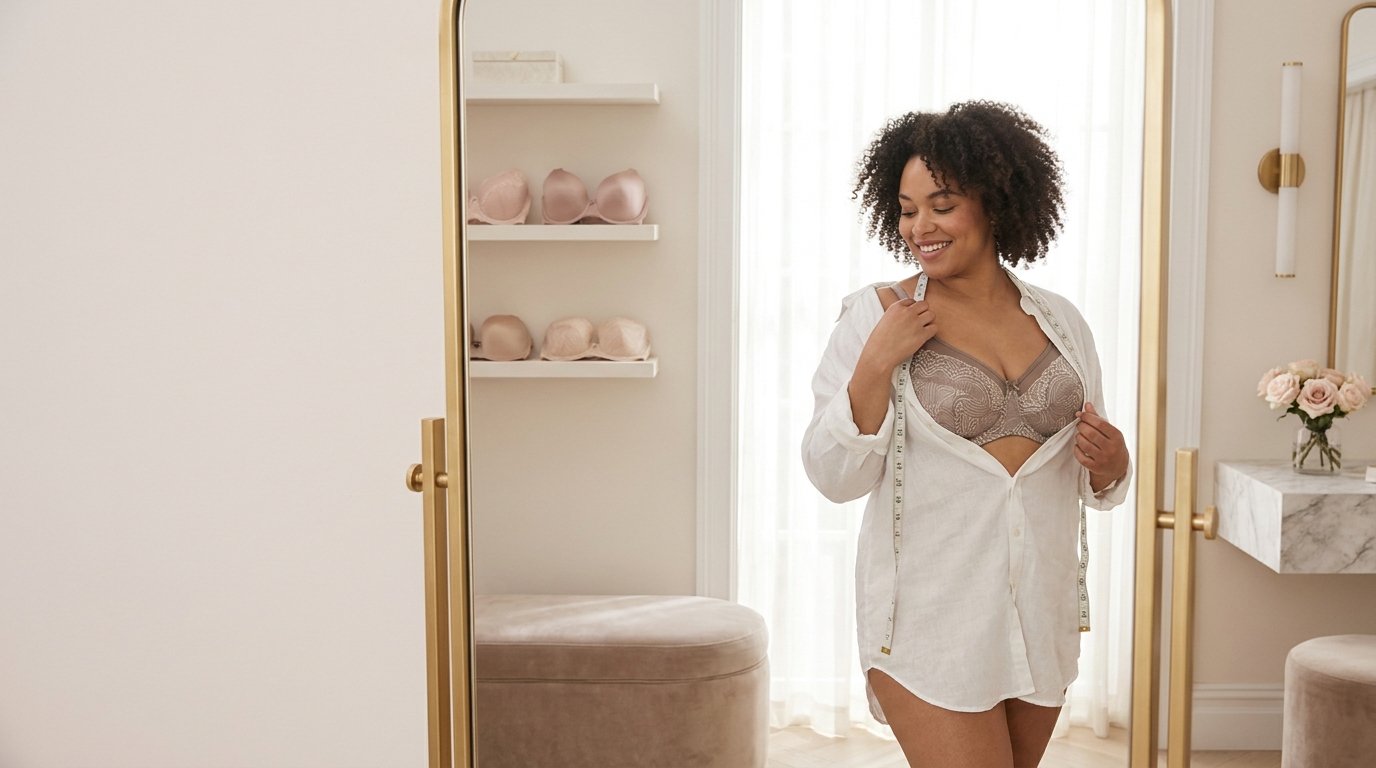
How to Find the Right Bra Fit for a Petite Plus Size Body
If you have a petite plus size body, you already know the struggle. Bands ride up your back. Straps slide off narrow shoulders. Cups gap at the top or spill out the sides. Most bra size charts are built for average torso length, not for someone who is short-waisted and full-busted at the same time. That mismatch is not your fault, and it is fixable.
This guide walks you through petite plus size bra fit from the tape measure to the final fit check, in the order that actually works. You will measure your band and bust correctly, adjust for your shorter torso, and learn the sister sizing trick that solves most of the fit problems petite plus size women deal with. Nothing here requires a professional fitter or an expensive boutique visit.
Set aside about 20 minutes and grab two or three bras you already own before you start. You will need them for comparison as you go.
- Soft measuring tape
- 2–3 bras you currently own
- A mirror you can see your torso in
- A well-fitting t-shirt (optional, for the movement test)
- Measure your band size while standing relaxed
- Measure your bust to find your cup size
- Shorten the strap drop for your petite torso
- Try the sister size if the fit feels off
- Check the band position around your ribcage
- Adjust the straps without overtightening
- Test the gore for a flat center fit
- Move around before you decide it fits
Measure Your Band Size While Standing Relaxed

Wrap the measuring tape directly under your bust, where the band of a bra would sit. Keep the tape level all the way around your back, not riding up higher in back than front. This is where most people get an inaccurate number first, so take the reading before you inhale or suck in your stomach.
Note the number in inches, then round to the nearest whole number. If it lands on an odd number, round up. This is your starting band size, though it may need adjusting once you try bras on, since petite ribcages are often shorter but not necessarily smaller around.
Measure Your Bust to Find Your Cup Size
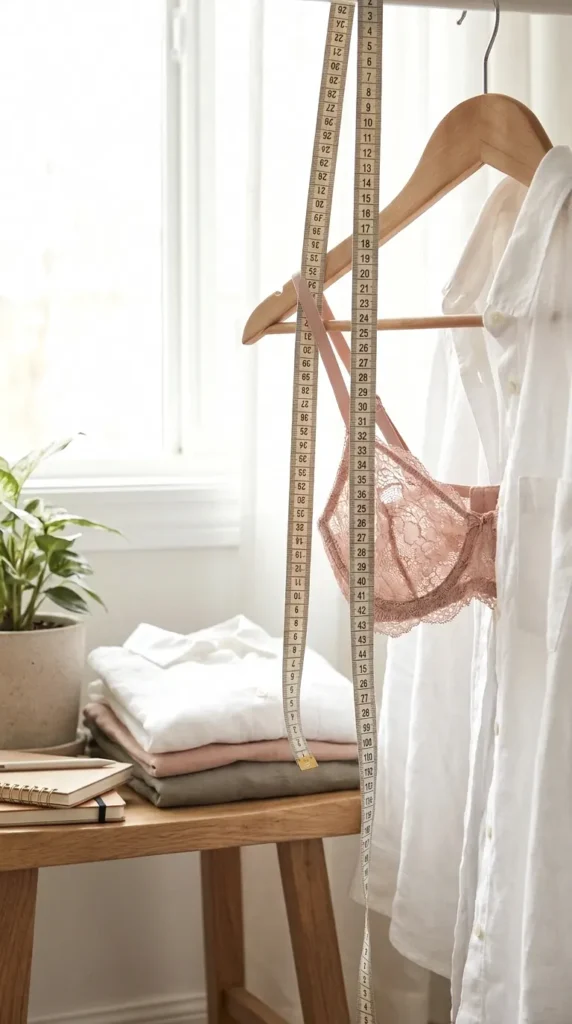
Wrap the tape around the fullest part of your bust, usually right across your nipple line. Keep your arms relaxed at your sides instead of raised, and keep the tape snug but not pulled tight. Write this number down separately from your band measurement.
Subtract your band number from this bust number. Each inch of difference corresponds to a cup size: one inch is an A, two inches is a B, three inches is a C, and so on up through the alphabet. A five or six inch difference is common for plus size busts and lands you around a D or DD to start.
Shorten the Strap Drop for Your Petite Torso
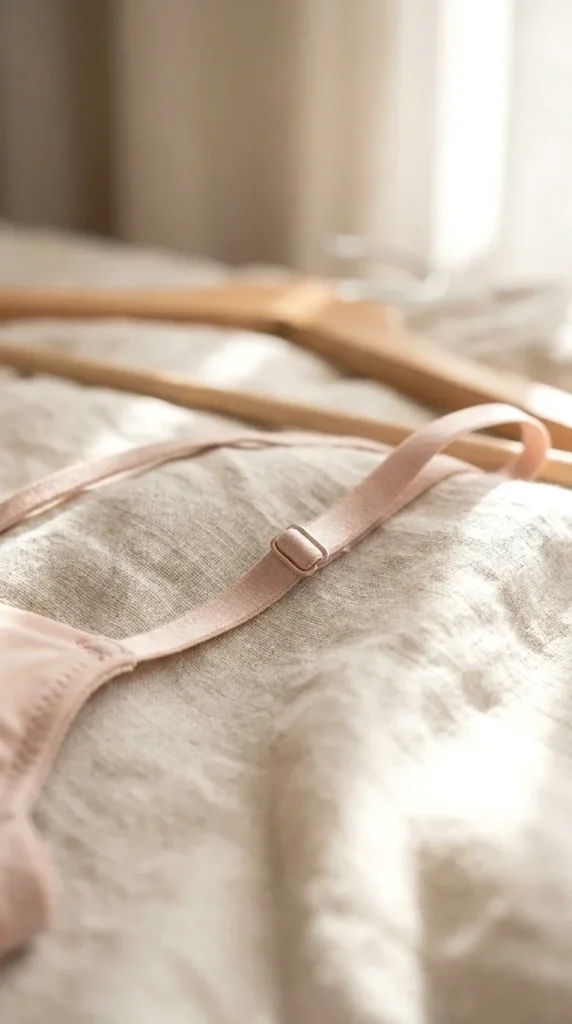
Petite frames usually have a shorter distance between the shoulder and the bust point than standard sizing assumes. Try on a bra in your calculated size and check where the strap adjusters sit. If they land at your armpit or lower, the strap drop is too long for your torso, even if the band and cup feel right.
Pull the strap adjuster up toward your shoulder in small increments, about half an inch at a time. Stop as soon as the cup sits flat against your chest without gaping at the top. Going too far the other way pulls the cup upward and creates a new gap at the bottom instead.
Try On the Sister Size If the Fit Feels Off
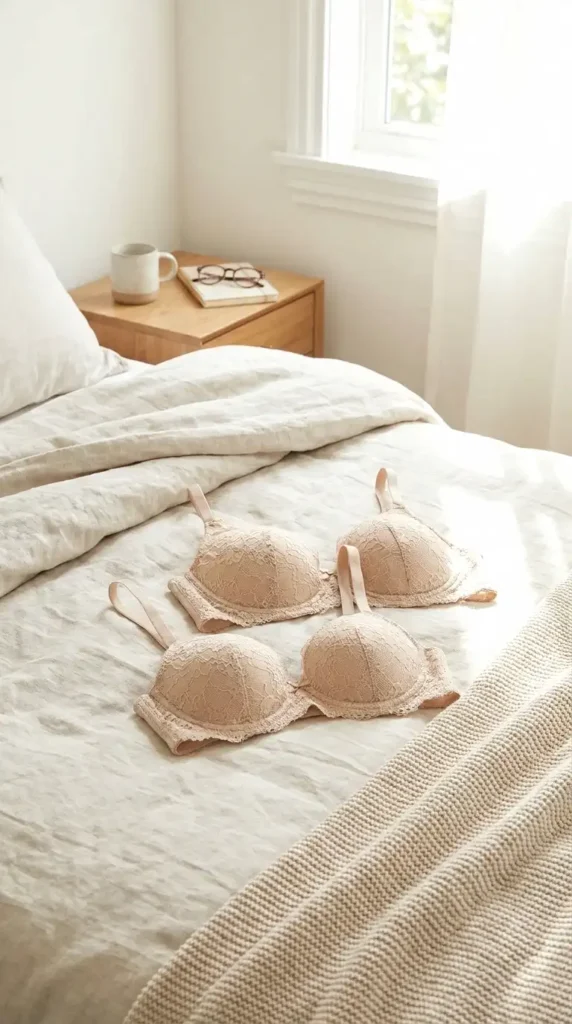
Sister sizing means going one band size down while going one cup size up, or the reverse, to get a similar cup volume in a different band. If your calculated size gaps at the cup or feels loose in the band, this is the fix that works more often than not for petite plus size bodies, where standard sizing rarely lines up cleanly.
For example, if a 34DD gapes at the top, try a 32E next. The cup volume stays close to the same while the band tightens to match a shorter ribcage. Keep two sister sizes on hand when you shop instead of assuming your calculated number is final.
Check the Band Position Around Your Ribcage

A properly fitted band sits parallel to the floor all the way around your torso, not riding up in the back. Look in the mirror from the side. If the back of the band sits higher than the front, the band is too big and is being pushed up by your bust instead of doing its job.
The band should feel snug on the loosest hook, with room to move to the tighter hooks as it stretches over time. Ninety percent of a bra’s support comes from the band, not the straps, so this step matters more than almost any other on this list.
Adjust the Straps Without Overtightening

Slide two fingers under each strap at the shoulder. You should feel gentle resistance, not the strap cutting into your skin or leaving red marks by the end of the day. Overtightened straps on a petite frame tend to dig in faster because there is less shoulder surface to distribute the pressure.
Even out both sides. One strap sitting looser than the other pulls the whole cup off-center and shows up as one breast sitting lower than the other under clothing.
Test the Gore for a Flat Center Fit
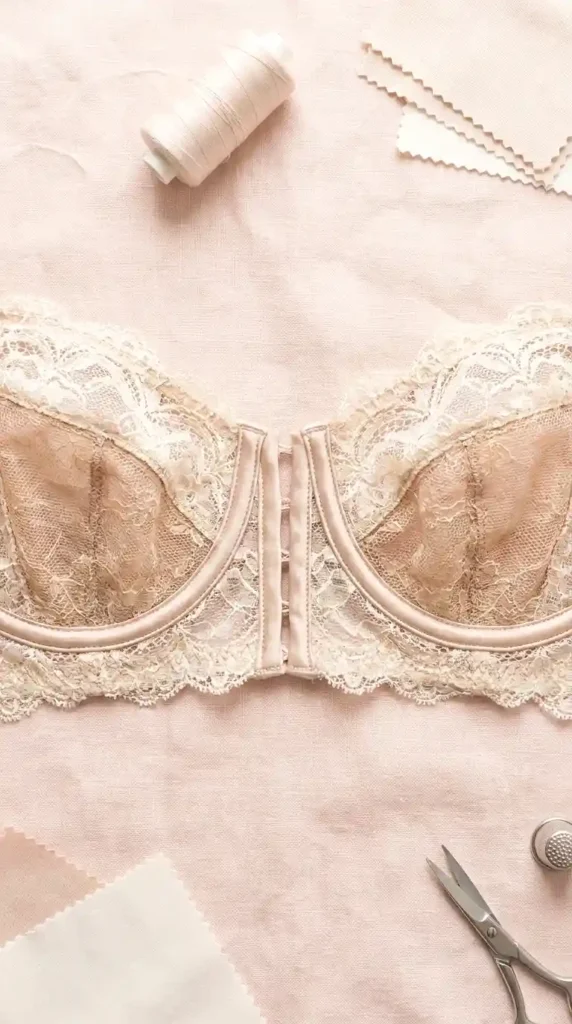
The gore is the center panel between the cups. Press it gently against your breastbone. It should lie completely flat against your skin, not float above it or dig in at the bottom edge. A gore that tents outward almost always means the cups are too small, even if the band feels right.
Full-figured, petite frames sometimes need a wider-set gore since the breasts sit closer together on a shorter torso. If the gore never lies flat no matter the size, look for styles labeled “wide gore” or “plus fit” instead of standard cuts.
Move Around Before You Decide It Fits

Raise both arms overhead, then lower them and twist side to side. A bra that looked perfect standing still can shift, ride up, or gap once your body moves, and this is the check most people skip before buying.
If everything still sits flat, stays put, and feels supportive after moving, you have found your fit.
Weight changes, pregnancy, and even the season can shift your band and cup size. Remeasure every six months instead of trusting a number from years ago.
Petite refers to torso length, not cup size. A petite plus size body can carry a full D, DD, or larger cup on a short frame, and sizing charts that assume otherwise will fail you.
A 34DD in one brand can fit completely differently in another. Use your measurements as a starting point, not a fixed rule, every time you shop a new label.
A loose band lets the cups shift out of place no matter how well they fit on their own. Fix the band first, then reassess the cup.
Every six months, or after any noticeable weight change. Your torso length stays the same, but band and cup size shift more often than most people expect.
The band is too big. Move down a band size and up a cup size using the sister sizing method to keep the same cup volume with a snugger, more stable band.
No. Straps only handle a small share of the support. If you’re relying on them, the band or cup size needs to change instead.
Yes. Look for terms like “petite fit,” “short torso,” or “wide gore” in the product description, since these styles are cut specifically for a shorter, fuller frame.
Soft measuring tape · 2-3 bras you own · A mirror
- Measure band while standing relaxed
- Measure bust to find cup size
- Shorten strap drop for petite torso
- Try sister size if fit feels off
- Check band position on ribcage
- Adjust straps without overtightening
- Test gore for flat center fit
- Move around before deciding
Conclusion
You now know how to find a real petite plus size bra fit, not just a number on a size chart. The band sits flat, the gore lies against your skin, and the straps do their small share of the work instead of all of it.
Next time you shop, bring your two sister sizes and skip anything that doesn’t pass the movement test. Save this guide to your Pinterest board so it’s ready the next time you need to reshop your size. 🤍